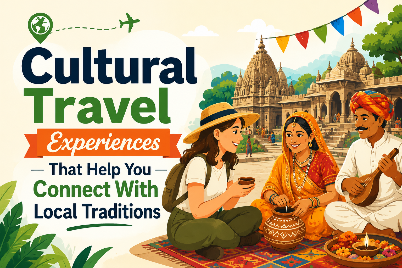
Travel becomes far more meaningful when it goes beyond sightseeing. Beautiful landscapes, famous monuments, and popular attractions can create memorable moments, but cultural travel offers something deeper. It allows travelers to understand how people live, celebrate, cook, create, worship, communicate, and preserve their traditions. Instead of simply visiting a place, cultural travel helps visitors connect with the heart of a destination.
Every culture has its own stories, values, customs, festivals, food, music, art, and way of life. When travelers take time to experience these traditions respectfully, they gain a richer understanding of the world. Cultural travel is not about observing local life from a distance. It is about learning, listening, participating thoughtfully, and appreciating the heritage that shapes each community.
◆ Why Cultural Travel Feels Different
Cultural experiences create emotional connections. They help travelers remember not only where they went, but who they met, what they learned, and how the journey changed their perspective.
Stay in Locally Owned Accommodations
One of the easiest ways to connect with local traditions is by choosing accommodations that reflect the character of the destination. Locally owned guesthouses, family-run inns, traditional homes, and boutique stays often provide a more personal experience than large chain hotels.
Hosts may share local stories, recommend neighborhood restaurants, explain customs, or introduce visitors to everyday traditions. These small interactions often become some of the most memorable parts of a trip.
- More personal hospitality.
- Authentic neighborhood experiences.
- Better local recommendations.
- Support for community businesses.
- Opportunities to learn local customs.
Join Traditional Cooking Experiences
Food is one of the most powerful ways to understand a culture. Recipes often carry history, family traditions, regional identity, and stories passed down through generations.
Joining a cooking class, visiting a local market, or learning how a traditional dish is prepared allows travelers to experience culture through taste, smell, and conversation.
| Food Experience | Cultural Connection |
|---|---|
| Local Market Visit | Learn ingredients and food habits |
| Cooking Class | Understand traditional preparation |
| Family Meal | Experience hospitality and customs |
Attend Local Festivals and Celebrations
Festivals reveal the joy, spirituality, creativity, and identity of a community. Whether it is a religious celebration, harvest festival, music event, cultural parade, or seasonal gathering, festivals offer travelers a chance to witness traditions at their most vibrant.
These events often include traditional clothing, music, dance, food, rituals, and community participation. Travelers should attend respectfully, follow local guidelines, and avoid treating sacred events like entertainment only.
✦ Festival Travel Tips
- Learn the meaning of the celebration.
- Dress respectfully.
- Ask before taking close-up photos.
- Follow local behavior expectations.
- Support local vendors and artists.
Explore Traditional Arts and Crafts
Handmade crafts often reflect generations of skill and cultural identity. Textiles, pottery, woodwork, jewelry, paintings, carpets, masks, and musical instruments can reveal how communities express beauty, function, and heritage.
Visiting artisan workshops helps travelers understand the time, patience, and knowledge behind traditional craftsmanship. Buying directly from local artisans also supports cultural preservation and community income.
A handmade item purchased during travel can carry far more meaning than a mass-produced souvenir.
Learn a Few Local Phrases
Language is one of the strongest bridges between travelers and local communities. Even learning basic greetings, thank-you phrases, and polite expressions can create warmer interactions.
Locals often appreciate visitors who make an effort to communicate in their language, even imperfectly. This small gesture shows respect and curiosity.
- Hello.
- Thank you.
- Please.
- Excuse me.
- How much does this cost?
- Where is this place?
Visit Historical Neighborhoods With Context
Historic neighborhoods are more meaningful when travelers understand the stories behind them. Streets, homes, temples, markets, and public squares often reveal centuries of cultural change.
Instead of rushing through photo spots, consider joining a guided walking tour or reading about the area’s history before visiting. Understanding context transforms ordinary streets into living cultural landscapes.
This approach helps travelers appreciate why certain places matter to local communities.
Respect Sacred and Spiritual Spaces
Many destinations include temples, churches, mosques, monasteries, shrines, cemeteries, and other sacred locations. These places may be beautiful, but they are not simply tourist attractions. They often remain active spaces of worship, reflection, and cultural identity.
Travelers should dress appropriately, remain quiet where required, follow photography rules, and observe local customs with respect.
Respectful Visit Guidelines
- Follow posted rules.
- Dress modestly when required.
- Keep voices low.
- Do not interrupt rituals.
- Ask before taking photos.
Use Local Guides When Possible
A local guide can transform a trip by sharing personal knowledge, hidden stories, cultural explanations, and practical insights that travelers may not discover alone.
Good guides help visitors understand customs, avoid misunderstandings, and appreciate traditions more deeply.
Choosing local guides also supports the community directly and encourages more responsible tourism.
Support Local Markets and Community Businesses
Markets are full of everyday culture. They show how people shop, eat, bargain, socialize, and move through daily life. Visiting local markets can provide a more authentic glimpse into a destination than many formal attractions.
Buying from small shops, family restaurants, street vendors, and local cooperatives helps tourism money stay within the community.
- Eat at locally owned restaurants.
- Buy handmade products.
- Choose local guides.
- Stay in community-based accommodations.
- Respect fair pricing and local customs.
Travel With Curiosity and Humility
The most rewarding cultural experiences happen when travelers approach unfamiliar traditions with curiosity rather than judgment. Not every custom will feel familiar, and that is part of the value of travel.
Listening carefully, asking respectful questions, and remaining open-minded can lead to deeper understanding and more meaningful connections.
Cultural travel works best when visitors remember that they are guests in someone else’s home, community, and heritage.
★ Cultural Travel Connection Checklist
- Stay in locally owned accommodations.
- Try traditional foods respectfully.
- Attend cultural events with awareness.
- Support local artisans.
- Learn basic local phrases.
- Use local guides.
- Respect sacred spaces.
- Shop at community markets.
- Ask questions with humility.
- Focus on learning, not just sightseeing.
Final Thoughts
Cultural travel creates a deeper connection between visitors and destinations. It encourages travelers to look beyond landmarks and understand the people, traditions, stories, and everyday practices that give a place its identity.
From local food and festivals to crafts, language, history, and spiritual spaces, every cultural experience offers an opportunity to learn something meaningful. These moments often become the memories travelers carry long after the trip ends.
The best cultural journeys are built on respect, curiosity, and openness. When travelers engage thoughtfully with local traditions, they do more than visit a destination—they connect with it in a way that makes travel truly unforgettable.